Ghana has lost over 60% of its forest cover since the 1990s. We explore the science behind reforestation, why it matters for Ghana's future, and how GAIN is working to restore degraded land one seedling at a time.
Ghana's forests are disappearing at an alarming rate. According to the Forestry Commission of Ghana, the country has lost more than 60% of its forest cover since the 1990s, with deforestation rates estimated at 2% per year (Forestry Commission of Ghana, 2023). The drivers are well-documented: agricultural expansion, illegal logging, fuelwood collection, and wildfires. The consequences are felt across the nation, from declining rainfall patterns to degraded soil and lost biodiversity.
The Science of Why Trees Matter
Trees are often called the lungs of the Earth, but their role extends far beyond carbon sequestration. A single mature tree can absorb up to 22 kilograms of carbon dioxide per year and release enough oxygen for two human beings (USDA Forest Service, 2021). In Ghana's tropical climate, indigenous species like mahogany (Khaya ivorensis), iroko (Milicia excelsa), and African mahogany are particularly effective at carbon storage, sequestering between 200 and 500 kilograms of carbon over a 30-year period (International Union for Conservation of Nature, 2022).
But the benefits go deeper. Tree roots bind soil, preventing erosion that costs Ghana an estimated 4.2 billion Ghanaian cedis annually in lost agricultural productivity (Environmental Protection Agency Ghana, 2022). In the Upper East and Upper West regions, where desertification threatens livelihoods, tree planting has been shown to reduce wind erosion by up to 70% and improve crop yields by 15-25% when combined with sustainable farming practices (UN Convention to Combat Desertification, 2023).
Ghana's Green Ghana Day Initiative
The Government of Ghana launched the Green Ghana Day initiative in 2021, with the ambitious goal of planting 5 million trees in a single day. By 2024, the programme had expanded to plant over 30 million trees nationwide (Ministry of Lands and Natural Resources, 2024). However, survival rates remain a challenge. Studies by the Forestry Research Institute of Ghana (FORIG) indicate that only 40-60% of planted seedlings survive the first year without proper aftercare (FORIG, 2023).
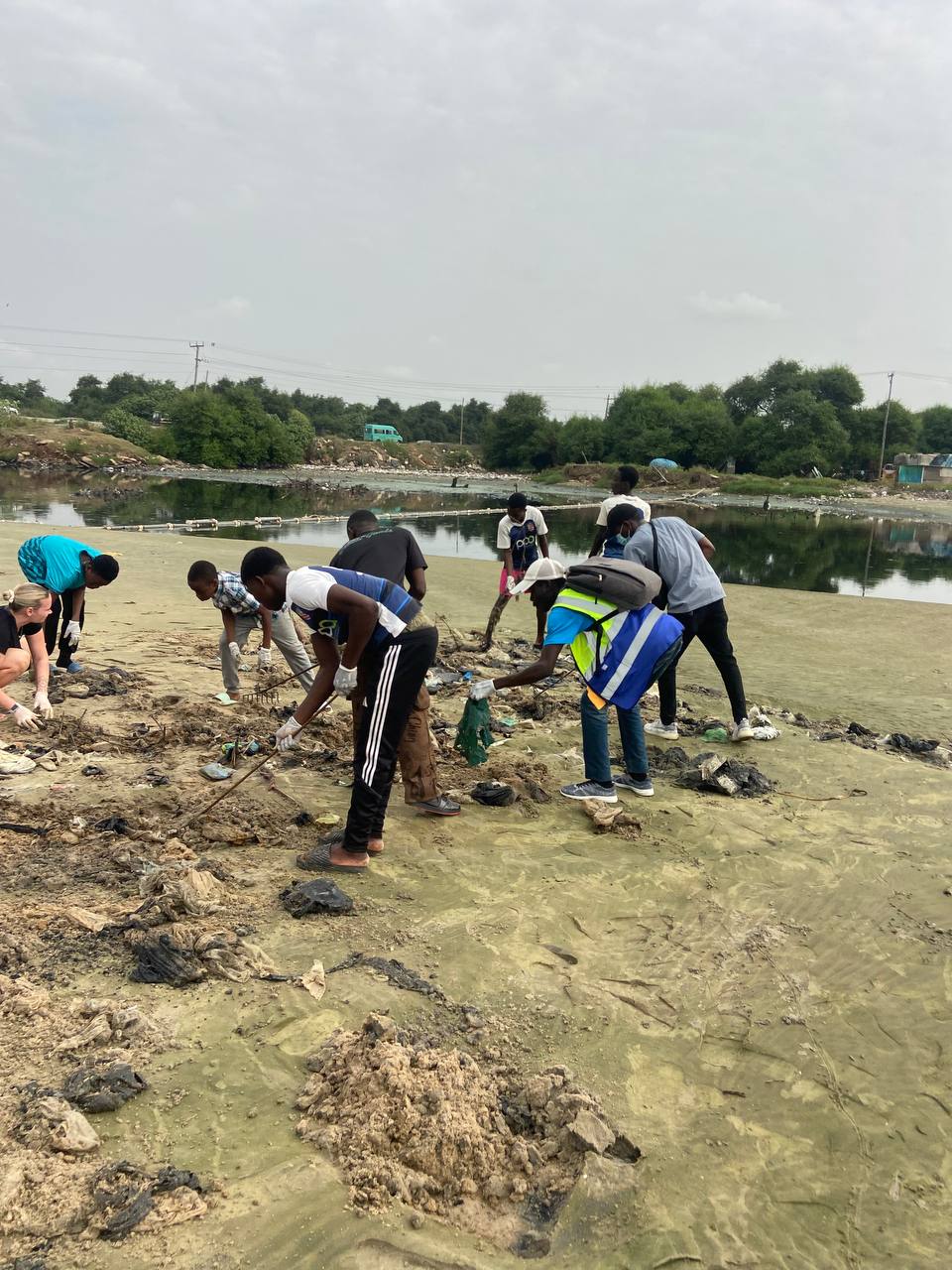
This is where community organizations like GAIN play a critical role. Our approach goes beyond planting. We focus on species selection suited to local conditions, community ownership of planting sites, and a minimum two-year aftercare programme that includes watering, weeding, and protection from grazing animals.
How GAIN Approaches Reforestation
Our reforestation programme operates on three principles:
-
Right tree, right place. We work with the Forestry Commission to select indigenous species that are suited to each region's rainfall, soil type, and ecological zone. Exotic species are used only when they provide clear livelihood benefits, such as fruit trees in community orchards.
-
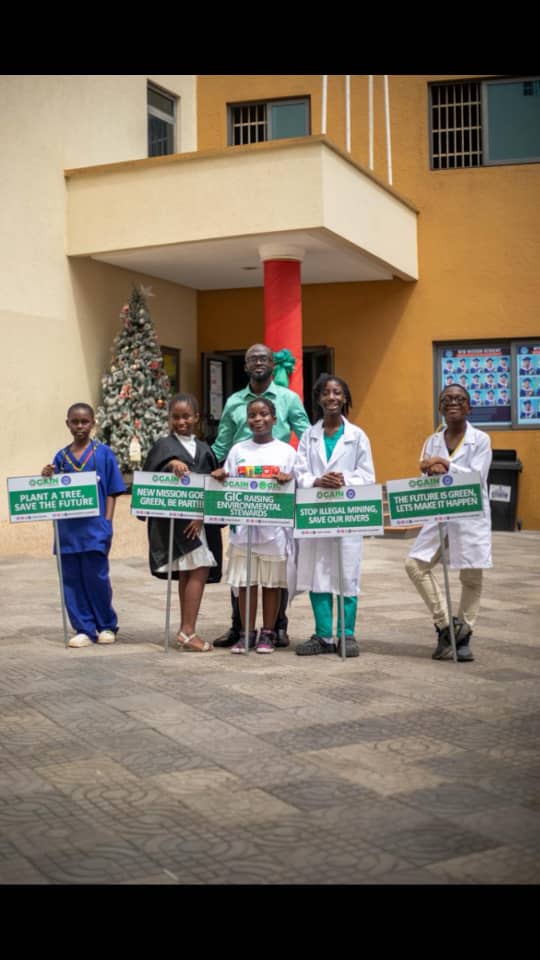
Community ownership. Every planting site is adopted by a local community, school, or church group. They are trained in planting techniques and given responsibility for aftercare. This dramatically improves survival rates and ensures the trees are valued, not vandalized.
-
Livelihood integration. Where possible, we plant multipurpose trees that provide food, medicine, or income. A community orchard of mango and cashew trees can generate income within 3-5 years while restoring degraded land.
Since 2023, GAIN has planted over 5,000 trees across Greater Accra, the Eastern Region, and the Ashanti Region, with a first-year survival rate of 72%, well above the national average.
What You Can Do
You do not need to wait for an organized event to make a difference. Plant a fruit tree in your compound. Support organizations that plant trees with proper aftercare. Advocate for the protection of existing forests, which is always more effective than planting new ones. And if you represent a school, church, or community group, reach out to us. We provide free seedlings, training, and ongoing support to groups committed to greening their neighborhoods.
The best time to plant a tree was twenty years ago. The second best time is today.
References:
- Environmental Protection Agency Ghana. (2022). State of the Environment Report 2022. Accra: EPA Ghana.
- Forestry Commission of Ghana. (2023). Annual Forestry Statistics Report. Accra: Forestry Commission.
- Forestry Research Institute of Ghana (FORIG). (2023). Survival Rates of Planted Seedlings in Ghana: A Five-Year Study. Kumasi: CSIR-FORIG.
- International Union for Conservation of Nature. (2022). Forest Landscape Restoration in West Africa. Gland: IUCN.
- Ministry of Lands and Natural Resources. (2024). Green Ghana Day 2024 Report. Accra: Government of Ghana.
- UN Convention to Combat Desertification. (2023). Land Degradation and Restoration in the Sahel and West Africa. Bonn: UNCCD.
- USDA Forest Service. (2021). Urban Forest Ecosystem Services. Washington, DC: USDA.
Share this post: